
Transform Your Property with Effective Home Staging
- Anthony Mellace
- Jan 29
- 4 min read
Home staging is a powerful tool that can significantly enhance the appeal of your property. Whether you are preparing to sell your home or simply want to refresh your living space, effective home staging can transform your property into a welcoming and attractive environment. This blog post will explore the essential elements of home staging, practical tips, and examples to help you create a space that captivates potential buyers or simply brings joy to your everyday life.

Understanding Home Staging
Home staging is the process of preparing a home for sale in the real estate marketplace. The goal is to make the property appealing to the highest number of potential buyers, thereby selling the property more swiftly and for more money. This involves decluttering, depersonalizing, and decorating the home to highlight its strengths and minimize its weaknesses.
Why Home Staging Matters
First Impressions Count: Buyers often make decisions within seconds of entering a home. A well-staged property creates a positive first impression that can lead to a quicker sale.
Visual Appeal: Staging enhances the visual appeal of a home, making it easier for buyers to envision themselves living there. This emotional connection can be a deciding factor in their purchasing decision.
Higher Selling Price: Homes that are staged typically sell for more than those that are not. According to the National Association of Realtors, staged homes can sell for up to 20% more than non-staged homes.
Key Elements of Effective Home Staging
Decluttering and Depersonalizing
Before you can stage your home, it is crucial to declutter and depersonalize the space. This means removing personal items, such as family photos and memorabilia, and minimizing clutter to create a clean and open environment.
Tips for Decluttering:
- Start with one room at a time.
- Use storage bins to organize items you want to keep.
- Donate or discard items you no longer need.
Furniture Arrangement
The arrangement of furniture can significantly impact the flow and functionality of a space. Properly arranged furniture can make rooms feel larger and more inviting.
Tips for Furniture Arrangement:
- Create conversation areas by grouping furniture together.
- Ensure there is enough space to move around comfortably.
- Use rugs to define different areas within a room.
Color and Lighting
Color and lighting play a vital role in setting the mood of a home. Neutral colors are often recommended for staging, as they appeal to a broader audience.
Tips for Color and Lighting:
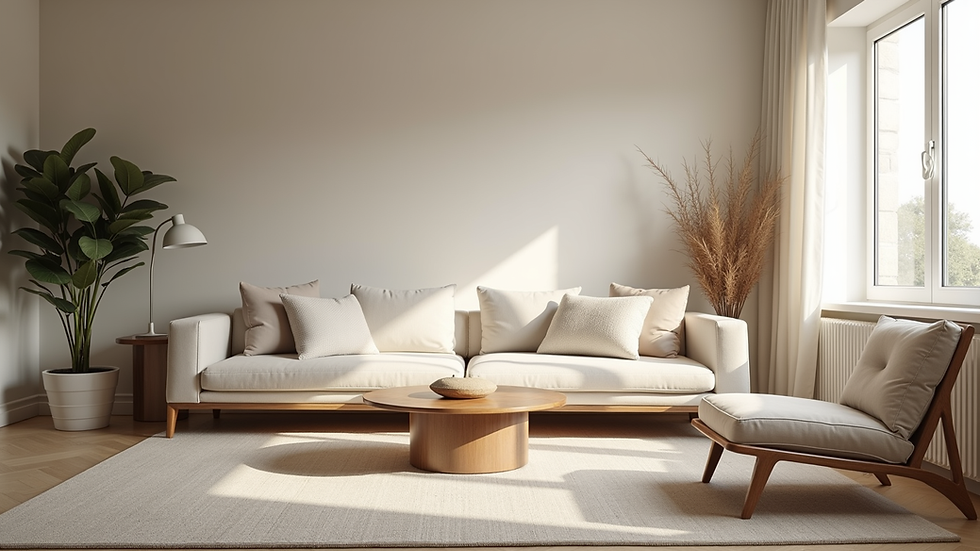
- Use light, neutral colors on walls and large furniture pieces.
- Add pops of color through accessories like cushions and artwork.
- Maximize natural light by opening curtains and blinds.
Accessorizing
Accessories can add personality and warmth to a staged home. However, it is essential to strike a balance to avoid overwhelming the space.
Tips for Accessorizing:
- Use a few well-chosen decorative items, such as vases, books, and art pieces.
- Keep accessories in line with the overall color scheme.
- Avoid overcrowding surfaces; less is often more.
Practical Home Staging Tips
Focus on Curb Appeal
The exterior of your home is the first thing potential buyers will see. Enhancing curb appeal can make a significant difference in attracting interest.
Tips for Improving Curb Appeal:
- Keep the lawn well-manicured and free of debris.
- Add potted plants or flowers to the entrance.
- Ensure the front door is clean and freshly painted.
Highlight Key Features
Every home has unique features that can be highlighted through staging. Whether it’s a fireplace, built-in shelves, or large windows, make sure these elements stand out.
Tips for Highlighting Features:
- Arrange furniture to draw attention to focal points.
- Use lighting to emphasize architectural details.
- Avoid blocking views with large furniture pieces.
Create a Welcoming Atmosphere
A welcoming atmosphere can make potential buyers feel at home. Simple touches can create a warm and inviting environment.
Tips for Creating a Welcoming Atmosphere:
- Use soft, inviting textiles like throws and cushions.
- Bake cookies or brew coffee before showings to create a pleasant aroma.
- Play soft background music during open houses.
Case Studies: Successful Home Staging Examples
Example 1: The Power of Neutral Colors
A homeowner in a competitive market decided to stage their property using neutral colors and minimal decor. By painting the walls a soft beige and using white furniture, the home felt more spacious and inviting. The result? The property sold within a week for 15% above the asking price.
Example 2: Transforming a Small Space
In another case, a small apartment was staged by rearranging furniture to create an open layout. The use of mirrors helped to reflect light and create the illusion of more space. This strategic staging led to multiple offers and a sale price that exceeded expectations.
Conclusion
Effective home staging can transform your property into a desirable space that attracts buyers and enhances your living experience. By focusing on decluttering, furniture arrangement, color, lighting, and accessorizing, you can create an inviting atmosphere that resonates with potential buyers. Remember, the goal is to make your home feel welcoming and appealing, allowing buyers to envision their future there.
As you embark on your home staging journey, consider these tips and examples to guide you. Whether you are preparing to sell or simply want to refresh your space, effective home staging is a valuable investment that can yield significant returns. Start today and watch your property transform!

Comments