
Top Home Staging Techniques to Attract Buyers
- Anthony Mellace
- Jan 29
- 4 min read
Selling a home can be a daunting task, especially in a competitive market. One of the most effective ways to make your property stand out is through home staging. This process involves strategically arranging furniture and decor to showcase the home’s best features, making it more appealing to potential buyers. In this blog post, we will explore the top home staging techniques that can help you attract buyers and sell your home faster.

Understanding the Importance of Home Staging
Home staging is not just about making a home look pretty; it’s about creating an emotional connection with potential buyers. When buyers walk into a staged home, they can envision themselves living there. This emotional connection can lead to quicker sales and potentially higher offers. According to the National Association of Realtors, staged homes sell 73% faster than non-staged homes.
Key Benefits of Home Staging
Increased Appeal: A well-staged home looks more inviting and can attract more buyers.
Higher Offers: Homes that are staged often sell for more than their unstaged counterparts.
Faster Sales: Staging can significantly reduce the time a home spends on the market.
Decluttering: The First Step in Home Staging
Before you start rearranging furniture or adding decor, the first step in staging your home is decluttering. A cluttered space can make a home feel smaller and less inviting. Here’s how to effectively declutter your home:
Remove Personal Items: Take down family photos, personal memorabilia, and anything that might distract buyers from envisioning their own lives in the space.
Clear Surfaces: Keep countertops, tables, and shelves clear of unnecessary items. This creates a sense of space and cleanliness.
Organize Closets and Storage Areas: Buyers will often look in closets and storage areas. Ensure these spaces are organized and not overflowing.
Creating a Welcoming Atmosphere
Once your home is decluttered, the next step is to create a welcoming atmosphere. Here are some techniques to achieve this:
Use Neutral Colors
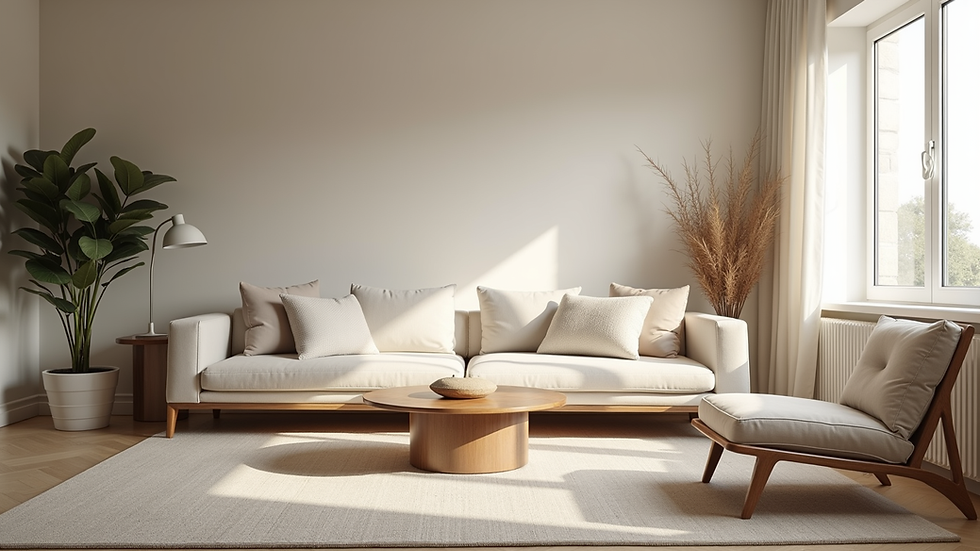
Neutral colors appeal to a broader audience. Consider repainting walls in soft shades of beige, gray, or white. This allows potential buyers to visualize their own decor in the space.
Optimize Lighting
Good lighting can make a significant difference in how a home feels. Here are some tips:
Maximize Natural Light: Open curtains and blinds to let in as much natural light as possible.
Add Warm Lighting: Use warm light bulbs in lamps and fixtures to create a cozy atmosphere.
Incorporate Fresh Scents
A pleasant scent can enhance the overall experience of viewing a home. Consider using:
Fresh Flowers: Place a vase of fresh flowers in key areas like the living room and kitchen.
Baking: The smell of freshly baked cookies can create a homey feel.
Furniture Arrangement: Showcasing Space
The way you arrange furniture can greatly impact how buyers perceive the space. Here are some tips for effective furniture arrangement:
Define Spaces
In open-concept homes, it’s essential to define different areas. Use furniture to create distinct zones for living, dining, and working. For example, a sofa can delineate the living area from the dining space.
Scale and Proportion
Choose furniture that fits the scale of the room. Oversized furniture can make a space feel cramped, while too-small pieces can make it feel empty. Aim for a balanced look that highlights the room's size.
Create Conversation Areas
Arrange seating to encourage conversation. For example, position sofas and chairs in a way that faces each other, creating an inviting atmosphere.
Highlighting Key Features
Every home has unique features that can be highlighted through staging. Here’s how to draw attention to these selling points:
Focus on Architectural Details
If your home has beautiful architectural features, such as crown molding or a fireplace, make sure these elements are visible. Arrange furniture to highlight these details rather than obstructing them.
Use Mirrors
Mirrors can create the illusion of more space and reflect light. Place mirrors strategically to enhance natural light and make rooms feel larger.
Showcase Outdoor Spaces
If your home has a patio, deck, or garden, make sure these areas are staged as well. Add outdoor furniture and decor to create an inviting outdoor living space.
Accessorizing for Impact
Accessories can add personality and warmth to a staged home. Here are some tips for choosing the right accessories:
Choose a Cohesive Color Palette
Select accessories that complement the overall color scheme of your home. This creates a harmonious look that feels intentional.
Use Textures
Incorporate various textures through pillows, throws, and rugs. This adds depth and interest to the space.
Limit Accessories
While accessories can enhance a space, too many can create clutter. Aim for a few well-placed items that draw attention without overwhelming the viewer.
Professional Staging vs. DIY Staging
Deciding whether to hire a professional stager or tackle the project yourself depends on your budget and comfort level. Here are some considerations:
Professional Staging
Expertise: Professional stagers have experience and knowledge of current trends.
Time-Saving: Hiring a professional can save you time and effort.
Potential ROI: While it may require an upfront investment, professional staging can lead to higher offers and quicker sales.
DIY Staging
Cost-Effective: Staging your home yourself can save money.
Personal Touch: You have complete control over how your home is presented.
Flexibility: You can stage your home at your own pace.
Final Touches Before Showings
As you prepare for showings, there are a few final touches to ensure your home is in top shape:
Clean Thoroughly
A clean home is essential for making a good impression. Consider hiring a professional cleaning service to deep clean your home before showings.
Set the Temperature
Ensure your home is at a comfortable temperature during showings. A warm, inviting environment can make a significant difference in how buyers feel about your home.
Provide Information
Consider leaving brochures or information sheets about the home and the neighborhood. This can help buyers envision themselves living in the space.
Conclusion
Staging your home effectively can make a significant difference in attracting buyers and achieving a successful sale. By decluttering, creating a welcoming atmosphere, arranging furniture thoughtfully, and highlighting key features, you can showcase your home in the best light. Whether you choose to hire a professional or take on the project yourself, the effort you put into staging can lead to quicker sales and potentially higher offers. Start implementing these home staging techniques today and watch as your home transforms into a buyer’s dream.

Comments